How it started
For years I was doing well as a commission-only estate agent — well enough that the family was comfortable, life felt settled. Then the property market stalled. The income dropped, but you can’t just switch off a lifestyle overnight. The debt built up across credit cards and personal loans, and for a long time I told myself I was managing.
Eventually I had to face it: I wasn’t. Around 70% of every monthly payment was going straight to interest — I was barely touching the actual debt. I went into a debt management plan with another firm, but nothing really changed. The anxiety didn’t go away. The stress about money was just always there.
My accountant recommended Lightside, and I made the switch. What a breath of fresh air. From the first conversation it was clear this was a different kind of firm. They looked at my situation properly, assessed each creditor individually, and explained that rather than continuing to service the debt indefinitely, there was a better route — one that could actually clear it.
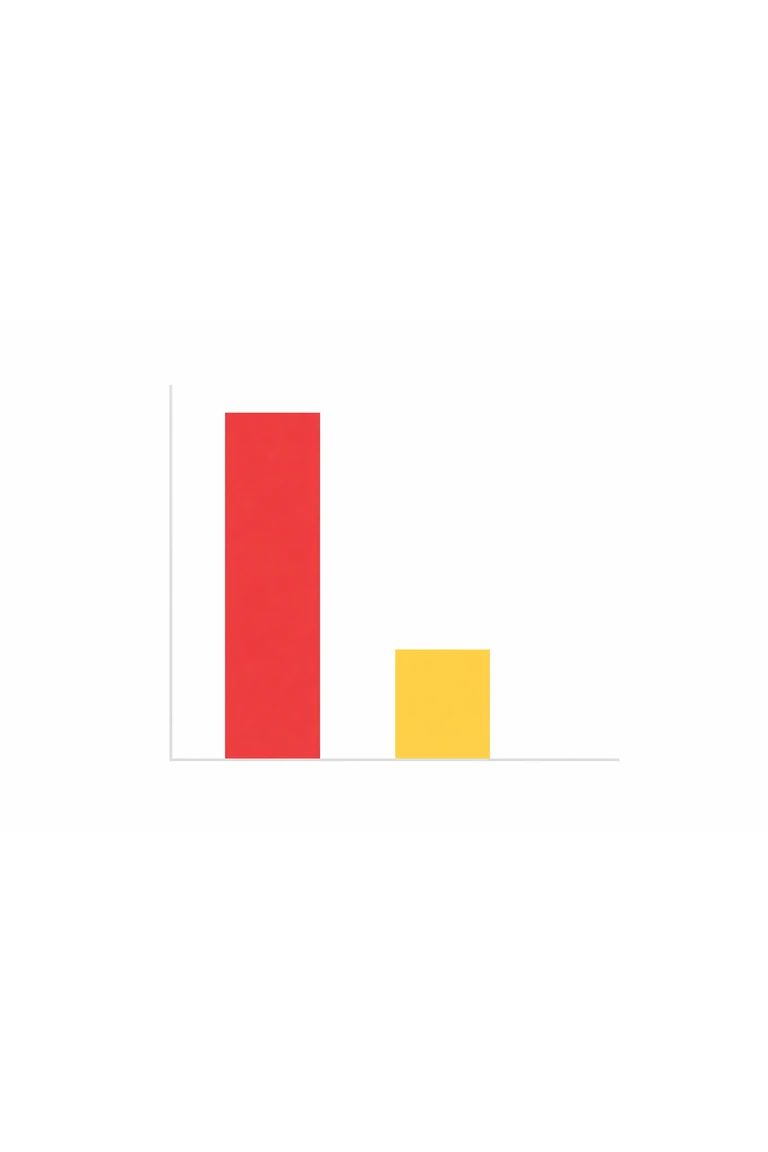
I paid just over £15,000 to settle over £50,000 of debt — and I am debt free. I still find it hard to believe when I say it out loud. All I carry now is my mortgage and one credit card that I clear in full every month. No more interest. Not a penny.
The Outcome in brief
Priti Shah, Lightside Financial · Referred by Andrew Rhodes, Partner, Sobell Rhodes Accountants · www.sobellrhodes.co.uk
For years the debt had been a fixed point of anxiety — always there, barely moving. When it was gone, Mr. N said it still felt unreal. The mortgage and one credit card he clears in full each month: that was the life he’d wanted to get back to. Lightside helped him get there.
There may be a better route than the one you’re on.
If your monthly payments feel like they’re going nowhere — mostly interest, barely touching the balance — a conversation with Lightside might open a door you didn’t know was there. There’s no charge to find out.
The work behind the outcome
Every debt has been cleared. Mr. N paid just over £15,000 in settlement of liabilities exceeding £50,000. His home was not at risk at any point in the process. His credit file now reflects only his mortgage and a single credit card, which he clears in full every month. The monthly obligation that had been absorbing most of his disposable income — and most of his headspace — is gone.
When Mr. N came to us he had been in a debt management plan for some time and making no meaningful progress. Around 70% of every monthly payment was being absorbed by interest — the balances on his credit cards and personal loans were barely moving. The DMP was structured around repaying the full amount owed over time; what it could not do was extinguish any part of the debt. We identified at the outset that the better route was a negotiated full and final settlement: approaching each creditor individually and agreeing a lump-sum payment, at a discount to the outstanding balance, in exchange for permanently closing the account.
We reviewed Mr. N’s full position and assessed each creditor individually — their likely appetite for settlement, their policy on discount levels, and the most advantageous sequence in which to approach them. Rather than servicing the debt indefinitely, we restructured the whole approach to maximise the discount available across the portfolio. Each settlement was confirmed in writing before any payment was made. Mr. N was also in the process of purchasing a property during this period, which required careful sequencing: we managed the timing between the creditor negotiations and the conveyancing process so that the debt resolution supported rather than disrupted the purchase.
Every debt has been cleared. Mr. N paid just over £15,000 in settlement of liabilities exceeding £50,000. His home was not at risk at any point in the process. His credit file now reflects only his mortgage and a single credit card, which he clears in full every month. The monthly obligation that had been absorbing most of his disposable income — and most of his headspace — is gone.